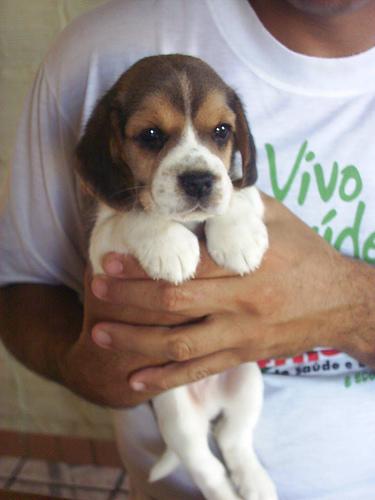
Breed Overview: The Pack Dog in a Solo World
Beagles are scent hounds developed in England over several centuries to hunt rabbits and hares in groups — packs of 6 to 30 dogs working in tight coordination. Their compact size, extraordinary nose (estimated at 1,000 times more sensitive than human olfaction), and musical baying voice made them ideal for hunting on foot, where hunters needed to track the pack by sound as much as sight.
The critical implication of this history: Beagles were never meant to work alone. Every aspect of their psychology is built around the social support of a pack. They communicate with group vocalizations. They make decisions in the context of group behavior. They find confidence in numbers. Remove the pack — even if the "pack" is just their human family — and a Beagle's world becomes genuinely threatening.
Adult Beagles typically weigh 20-30 pounds. The 13-inch variety (under 13 inches at the shoulder) and 15-inch variety (13-15 inches) share the same temperament but the larger variety may need a Medium Thundershirt.
Why Beagles Are Prone to Anxiety
Pack Loneliness: Not the Same as Boredom
Beagle owners frequently describe their dog's alone-time distress as boredom and attempt to solve it with toys. This misses the underlying driver. A Beagle alone isn't simply under-stimulated — they are experiencing the absence of their social group, which their nervous system interprets as a threat signal. Toys do not address a threat signal; they address boredom. This is why enrichment toys alone rarely solve Beagle separation distress the way they might for other breeds.
The treatment for pack-loneliness anxiety requires building genuine comfort with social absence — not providing distractions from it. This means systematic desensitization to alone time, not just more KONGs.
The Nose as Both Asset and Liability
A Beagle's nose is their superpower — and a significant anxiety driver. Their extraordinary olfactory sensitivity means they can track scents that humans can't perceive, which creates two problems in an anxious dog. First, a Beagle can follow an interesting scent and completely lose track of context — wandering far from home while nose-down, seemingly oblivious. This isn't rebellion; it's neurological focus. Second, their nose picks up threat signals (unfamiliar animals, human strangers, changes in environment) before any visible trigger appears, creating what looks like anxiety "out of nowhere."
Vocalization as Hardwired Communication
The Beagle bay — their distinctive melodic howl — was selectively bred for volume, carrying quality, and persistence. A Beagle that bays during your absence is doing exactly what their breeding intended: calling for the pack. This vocalization is not a bad habit that can be trained away in isolation; it requires addressing the underlying anxiety that triggers it.
Common Anxiety Triggers for Beagles
Alone Time (Primary Trigger)
Any duration of solo time is stressful for an unsocialized Beagle. Unlike some breeds that settle after an initial period of distress, Beagles can maintain elevated anxiety for extended periods. Video monitoring often reveals Beagles that pace and vocalize for hours, not just the first 20 minutes.
Scent-Triggered Alertness
Beagles can "go off" on anxiety-adjacent arousal when they pick up interesting or threatening scents through walls, windows, or air currents. They may bark, pace, or become fixated at a wall where no visible stimulus exists. This is scent-triggered alertness and is managed through managing the environment, not behavioral training alone.
Noise and Sudden Events
While not as hyper-reactive to noise as herding breeds, Beagles can develop noise anxiety, particularly in combination with already-elevated social anxiety. A Beagle that's already stressed from being alone is far more reactive to a thunderstorm than a Beagle in a full household.
Signs and Symptoms in Beagles
- Sustained howling, baying, or barking during owner absences
- Escape attempts — particularly at gates, fences, or doors
- Destructive behavior focused on exits
- Excessive drooling or panting when left alone
- House soiling despite reliable training
- Loss of appetite when separated (some anxious Beagles won't eat until owner returns)
- Excessive sniffing behavior or pacing along fence lines (escape surveillance)
Training and Management Strategies
Nose Work: The Primary Anxiety Intervention
For Beagles, nose work is not just enrichment — it is the most potent anxiety management tool available. Scent work activates the same neural circuits that hunting satisfied, producing a state of focused calm that carries over into rest. A Beagle that has spent 20 minutes doing scent work will be measurably calmer during subsequent alone time.
Start simple: hide 10-15 small treats in different locations around the house before you leave. Increase complexity over time with snuffle mats, scent boxes, and eventually AKC Scent Work competition (which provides structured, progressive challenge). The progression matters — a Beagle that has "solved" easy hides needs harder challenges to achieve the same calming effect.
Systematic Desensitization to Alone Time
Start with absences measured in seconds, not minutes. Leave for 10 seconds, return, reward calm. Leave for 30 seconds. Gradually extend over days and weeks. The key is returning before your Beagle reaches peak distress — each successful, calm alone-time experience builds their confidence that your return is reliable. Never leave a Beagle alone "to learn" without having done this gradual work first — forced isolation deepens anxiety.
Social Solutions: The Pack Problem Has a Pack Solution
For Beagles with severe separation anxiety, management options worth serious consideration include doggy daycare (many Beagles thrive), a second dog (Beagles genuinely calm each other), or a dog walker for midday check-ins. These are not giving up on training — they are appropriate matches for a breed with a biological need for social contact.
Product Recommendations for Beagle Anxiety
Thundershirt — Size Small
Most adult Beagles fit Size Small (chest 20-25 inches). Larger 15-inch Beagles may need Medium. The constant gentle pressure reduces arousal levels effectively in this breed — Beagles' people-oriented nature makes them responsive to physical comfort signals. Apply 20-30 minutes before your departure.
View on Amazon →Snuffle Mat — Medium Size
The #1 product for Beagle anxiety management. A snuffle mat engages their nose for 20-30 minutes and produces genuine mental fatigue. Hide 1/3 of their daily kibble in the mat before departure. Rotate the hiding pattern so it stays challenging. A Beagle with a snuffle mat will vocalize less during your absence than one without any scent activity.
View on Amazon →Adaptil Calm Home Diffuser
DAP pheromone diffusers are particularly effective for pack-oriented breeds because they simulate the calming signal of a nursing mother's presence — a social comfort cue. Run continuously in the room where your Beagle spends most time alone. Most owners notice reduced vocalization within 1-2 weeks of consistent use.
View on Amazon →Zylkene Calming Supplement (225mg)
Safe for daily use, non-drowsy, and effective for the chronic mild-to-moderate anxiety that characterizes most Beagle separation distress. Beagles are highly food-motivated, making pill administration easy — wrap in a small piece of deli meat or soft cheese. Works best as a daily supplement rather than an occasional intervention.
View on Chewy →When to See a Vet
Seek veterinary consultation when:
- Howling or barking is sustained for most of your absence despite enrichment interventions
- Your Beagle has injured themselves attempting to escape confinement
- Weight loss is occurring due to anxiety-related appetite suppression
- Anxiety behaviors haven't responded to consistent enrichment and desensitization over 8 weeks
For Beagles with severe separation anxiety, fluoxetine or clomipramine alongside a structured behavior modification program provides the strongest outcomes. Your vet may also recommend trazodone for situational acute anxiety events while longer-term interventions take effect.