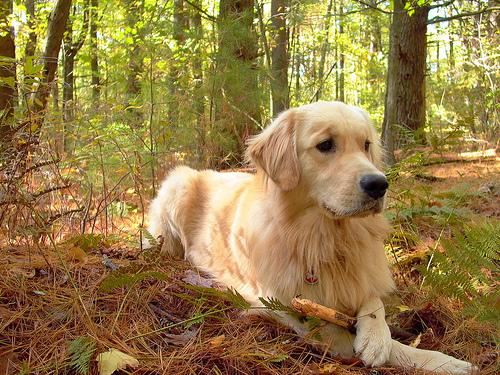
Every year, tens of thousands of dogs bolt, injure themselves, or spend July 4th night shaking in a corner. The difference between those dogs and calm ones almost always comes down to one thing: preparation, not reaction. A Thundershirt thrown on mid-panic is far less effective than one put on 40 minutes before the first bang. This guide gives you the complete protocol — every product, every step, in precise sequence.
Why Fireworks Are Different From Other Anxiety Triggers
Not all anxiety triggers are created equal. A thunderstorm arrives gradually — the pressure drops, the sky darkens, the smell of rain hits. Dogs often have 20–30 minutes of biological warning. Fireworks offer none of that. They start instantly, at full volume, in an otherwise normal evening.
More importantly, fireworks combine four simultaneous sensory assaults that no other common trigger matches:
- Sound: Explosive cracks and booms at 150–175 decibels — well above the 85 dB threshold for hearing damage in sustained exposure. Dogs hear a significantly wider frequency range than humans, making this even more overwhelming.
- Light: Strobing flashes and unexpected bursts of illumination that flood the visual field. Dogs with noise phobia often show light sensitivity too, which is why closing curtains genuinely helps.
- Vibration: Ground and air pressure waves from large shells are felt physically in the chest. Dogs that appear to "hear" fireworks from a great distance are often feeling the concussive vibration as much as the sound.
- Smell: Gunpowder, sulfur, and smoke drift on the air for hours. Dogs with a history of fireworks trauma can begin showing anxiety from the smell alone before the first launch.
This multi-sensory bombardment is why a single product never fully solves fireworks anxiety — and why the layered protocol below consistently outperforms any one-product approach.
The Complete July 4th Protocol — Step by Step
Start this sequence on the afternoon of the event — not after the fireworks begin.
Calming Chew — 45 to 60 Minutes Before Dark
Calming chews take 45–60 minutes to reach peak effectiveness. This is the step most owners get wrong — they give the chew when the dog is already stressed, after the chew's window has closed. Give it at least 45 minutes before you expect fireworks to start. For July 4th in the U.S., that means giving the chew around 8–8:30 PM depending on your location's sunset time. Chews with L-theanine, melatonin, or valerian root are the most evidence-backed options for acute event anxiety.
Thundershirt — 30 to 45 Minutes Before Dark
Put the Thundershirt on while your dog is calm — not after they are already shaking. The wrap's constant gentle pressure works by activating the parasympathetic nervous system, which takes time to counteract rising cortisol. Applied proactively, it can significantly blunt the initial stress response. Applied reactively, its effect is much weaker. If your dog has never worn a Thundershirt before, read the introduction guide first — a dog that resists the wrap adds stress rather than removing it. The fit must meet the two-finger rule: snug, but two fingers can slide under any panel without forcing.
Adaptil Calming Spray — 15 Minutes Before Dark
Spray Adaptil (dog-appeasing pheromone spray) on a bandana and tie it loosely around your dog's neck — or spray it on their bedding. Adaptil takes about 15 minutes to activate fully. Do not spray directly on the Thundershirt fabric, as the alcohol carrier can irritate skin. The DAP (dog-appeasing pheromone) mimics the comforting pheromone nursing mothers emit, signaling safety at a chemical level that bypasses the thinking brain entirely. Paired with the Thundershirt already in place, this combination hits both the nervous system and the olfactory comfort pathways simultaneously.
Create a Safe Room
Choose the most interior room of your home — ideally one without street-facing windows. Close all curtains and blinds to block the flashes. Turn on a white noise machine or box fan at a steady, moderate volume — aim for around 65–70 dB, enough to mask sharp bangs without being stressful itself. Place your dog's bed and a worn item of your clothing in the room. If your dog uses a crate, leave it open with familiar bedding inside so they can choose to enter. Do not lock them in — a panicked dog attempting escape from a locked crate can seriously injure themselves.
Manage Your Own Energy
Dogs are exquisitely sensitive to owner anxiety. If you hover over your dog with a tense, worried posture, you communicate that the fireworks are genuinely dangerous — reinforcing the fear response. Sit calmly in the safe room. Speak in a normal, relaxed tone. You can comfort your dog if they seek comfort — the old advice to "ignore anxious dogs" has been debunked. Reassurance does not reinforce fear. What does reinforce it is matching your dog's panicked energy with your own frantic behavior. Stay grounded and your dog has a regulatory anchor.
What If the Fireworks Start Unexpectedly?
Neighborhood fireworks in the days surrounding July 4th often start without warning. If your dog is suddenly exposed to fireworks before you have run the protocol, prioritize in this order:
First: Get the Thundershirt on immediately. Even applied mid-panic, it provides some benefit — it just takes longer to work. Fit it properly before anything else.
Second: Move to the most interior room and close curtains. The physical environment change removes the visual trigger and significantly reduces sound intensity.
Third: Give the calming chew if available, accepting it will take 45 minutes to peak. It may not help for this event's first hour, but it will help for the second.
If your dog tries to hide under furniture, allow it. Hiding is a healthy self-regulation strategy. Only intervene if the hiding location is unsafe (a dog attempting to squeeze behind a washing machine, for example). Otherwise, let them choose their spot within the safe room and sit nearby without fussing.
Products You Will Need
Thundershirt Classic Anxiety Jacket
The #1 vet-recommended anxiety wrap. Available in sizes XXS through XXL. Machine washable. Works within 15 minutes when applied proactively. See the full sizing guide and review before purchasing to confirm your dog's size.
View on AmazonAdaptil Calming Spray (Dog-Appeasing Pheromone)
Apply to a bandana or bedding 15 minutes before fireworks. Clinically studied for noise-related anxiety. Works best as part of the layered protocol. Available as spray, collar, or plug-in diffuser — the spray gives the most precise timing control for single-event use.
View on Amazon View on ChewyZylkene Calming Supplement (Alpha-Casozepine)
Alpha-casozepine is a hydrolyzed milk protein with published evidence for noise phobia reduction. Unlike many calming chews, Zylkene has actual clinical trial data specifically for fireworks and thunderstorm anxiety. Give 1–2 hours before the event for best results. Available in capsules that can be opened over food.
View on Amazon View on ChewyWhite Noise Machine (LectroFan or Equivalent)
A dedicated white noise machine produces a consistent broadband sound that masks the sharp crack of fireworks more effectively than a TV or fan alone. Place it between your dog and the window in the safe room. Pink noise and brown noise settings are often better tolerated than pure white noise for extended sessions.
View on AmazonBreed-Specific Notes
Most dogs benefit from the full protocol, but certain breeds need extra preparation — or have specific physiological considerations.
Herding Breeds
Border Collies, Australian Shepherds, and Corgis are highly sound-sensitive due to their alert, reactive temperaments. These breeds often escalate to full panic within 2–3 firework bursts. Start the protocol earlier — 90 minutes before dark — and consider adding a Purina Calming Care probiotic in the weeks leading up to the holiday for baseline anxiety reduction.
Gun Dogs
Labradors, Golden Retrievers, and Spaniels were bred to work near gunfire — but this does not make them immune to fireworks anxiety. Gunshot conditioning differs from prolonged explosive exposure. Many gun dogs still panic at fireworks. The full protocol applies equally, but they tend to respond well to the Thundershirt alone if the fit is correct.
Toy Breeds
Chihuahuas, Yorkshire Terriers, and Miniature Pinschers often have higher baseline anxiety and a smaller nervous system buffer. The vibration component of fireworks can be proportionally more intense for small dogs. Ensure the Thundershirt is sized correctly — an XXS that is too loose does nothing. For very small dogs, confirm the calming chew dose with your vet as weight-based underdosing is common with standard chews.
Brachycephalic breeds (Bulldogs, Pugs, French Bulldogs) require special monitoring when wearing the Thundershirt in warm July weather — their reduced ability to thermoregulate means overheating risk is higher. Check that they are not panting excessively and keep the safe room cool.
Beyond July 4th, consider running a desensitization program in the off-season. Playing recorded fireworks sounds at low volume during positive activities (meals, play) and gradually increasing the volume over weeks can significantly reduce reactivity. By the time the next fireworks season arrives, many dogs who underwent sound desensitization show dramatically reduced responses even without the full protocol.
For more on the Thundershirt itself — including how to introduce it for the first time and the two-finger fit test — see our complete Thundershirt review. For pairing calming chews with timing advice for other anxiety events, see the calming chews guide.
Shop Thundershirt on Amazon