Looking for everyday attachment rather than distress when alone? See Why Are Chihuahuas So Clingy? for the difference between normal clinginess and separation-related problems.
Understanding Chihuahua Separation Anxiety
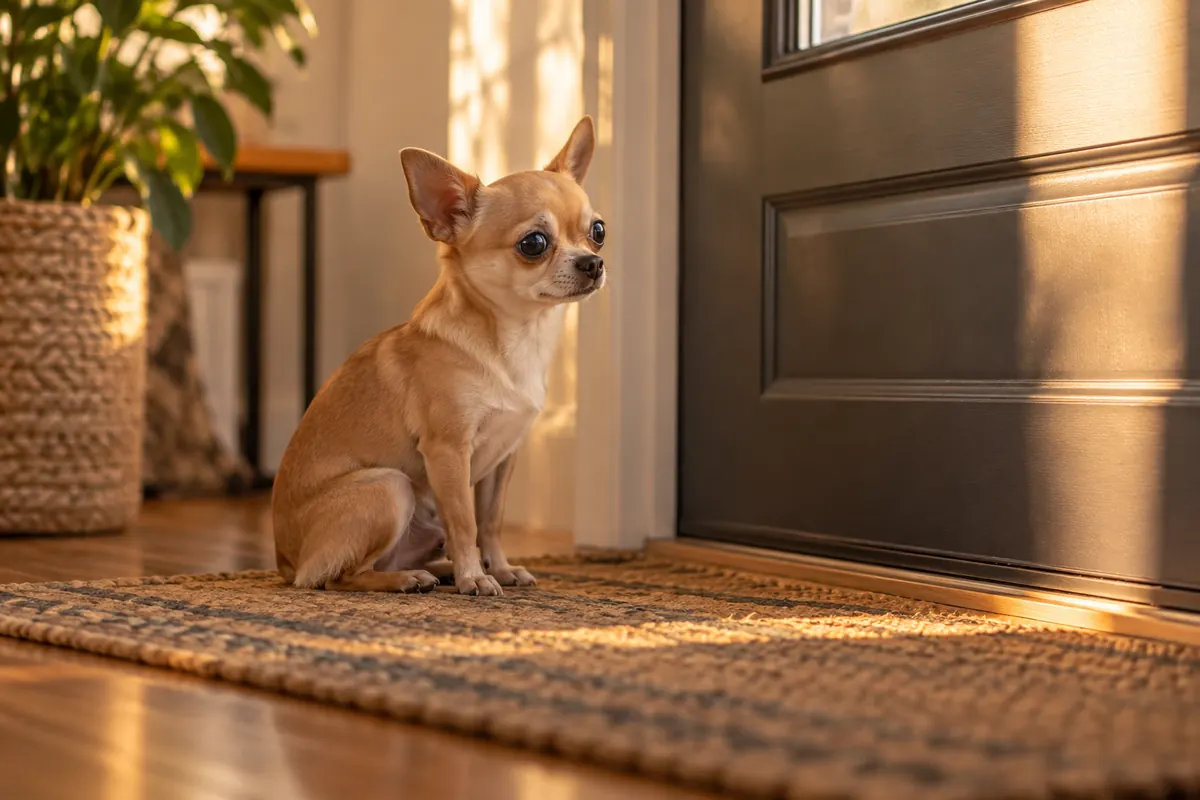
Chihuahuas often form strong bonds with their owners, which can make separation particularly challenging. This breed's high anxiety prevalence means they might display symptoms like barking, trembling, and destructive behavior when left alone. Recognizing these signs early can help you take appropriate steps to manage their anxiety.
Separation anxiety in Chihuahuas can be exacerbated by their small size, as they often feel more vulnerable. The key to managing this anxiety is to create a safe and comforting environment for them. Using familiar items like toys or blankets can provide a sense of security.
Effective Strategies for Managing Anxiety
One effective strategy is to gradually acclimate your Chihuahua to being alone. Start by leaving them for short periods and gradually increase the time. This helps them understand that you will return, reducing their anxiety over time.
Another helpful approach is to establish a routine. Chihuahuas thrive on predictability. Regular feeding, play, and exercise times can help reduce anxiety, providing your Chihuahua with a sense of structure and stability.
The Role of Exercise in Anxiety Management
Regular exercise is crucial for Chihuahuas as it helps burn off excess energy that might otherwise manifest as anxiety. A minimum of 30 minutes of daily exercise can have a significant positive impact on their mental well-being.
Consider engaging your Chihuahua in interactive games or walks that stimulate both their mind and body. This not only helps in reducing anxiety but also strengthens the bond between you and your pet.
Creating a Calming Environment
Creating a calming environment is essential for managing a Chihuahua's separation anxiety. Consider using products like calming diffusers or sprays that create a soothing atmosphere.
Providing a comfortable space, such as a cozy bed in a quiet room, can make your Chihuahua feel secure. It's important to ensure this space is associated with positive experiences to encourage relaxation.
When to Seek Professional Help
While many Chihuahuas respond well to home-based strategies, some may require professional intervention. If your Chihuahua's anxiety persists despite your efforts, consulting a veterinarian or a professional dog behaviorist can be beneficial.
Professional help can provide you with a tailored approach, possibly incorporating training techniques or medications if necessary. Early intervention can prevent anxiety from escalating into more severe behavioral issues.
SmartPet Calming Treats
Perfect for reducing anxiety in Chihuahuas with natural ingredients.
View on Amazon →The Chihuahua Anxiety Guide
An in-depth resource to understand and manage Chihuahua anxiety.
View on Amazon →